Bills Must Be Paid Best Early Upgrades
Choose early upgrades that solve real run problems in Bills Must Be Paid, from stamina and grip to luck, hammer speed, and income.
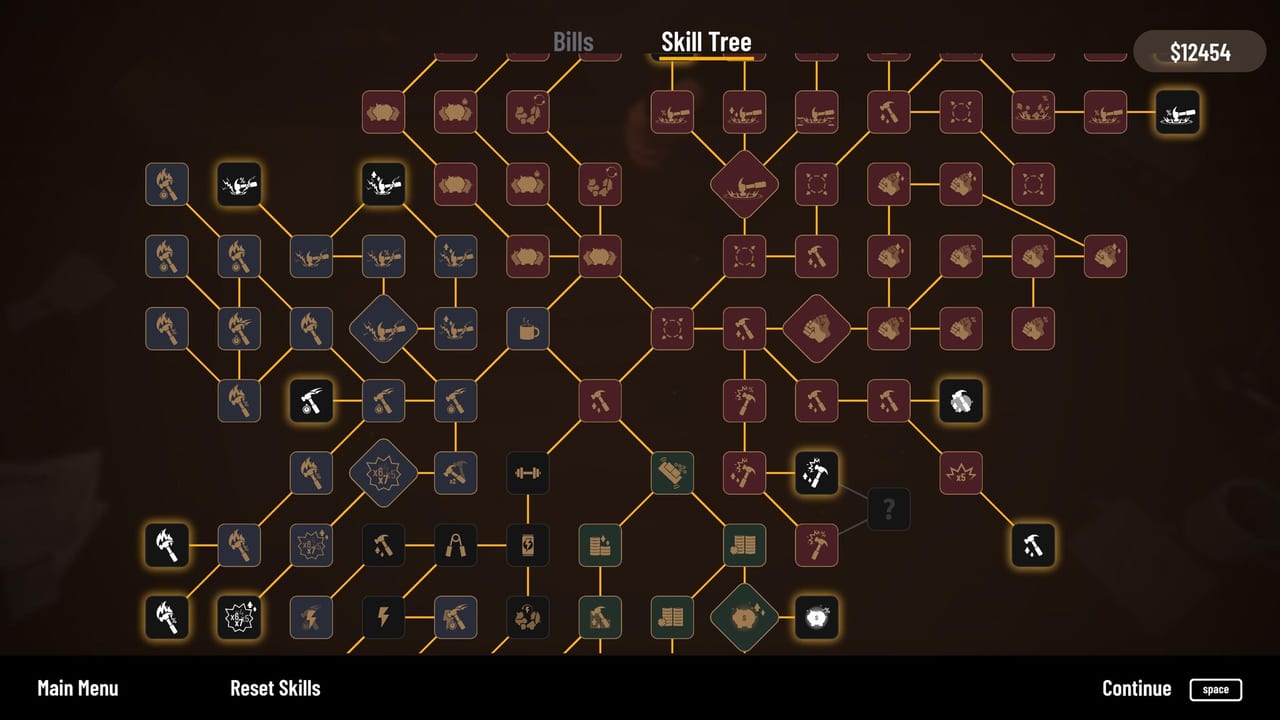
Upgrade for the bottleneck, not the fantasy run
Bills Must Be Paid offers upgrades that sound powerful, but the best early choice is the one that fixes the bottleneck currently ending your run. A player who runs out of stamina needs a different route than a player who misses high-value piggies or loses too much to the collector. Before buying, ask what stopped the previous run. If the answer is stamina, buy endurance or grip support. If the answer is low income, improve coin conversion. If the answer is bill timing, buy upgrades that make the next payment easier rather than flashier.
This approach matters because upgrades compete with bill payments. Every purchase reduces the cash available for the next bill. A strong upgrade is only strong if it pays back before the bill timer punishes you. That is why upgrade timing should be read together with How to Pay Bills.
Early priority tiers
The safest first tier is consistency. Stamina, grip strength, and practical hammer handling make every later upgrade easier to use. Consistency upgrades reduce wasted movement, extend active time, or increase the value of normal piggy spawns. They are not always the most exciting, but they stabilize the run.
The second tier is income acceleration. Once you can survive long enough to reach repeat bills, upgrades that improve coin drops, crit behavior, spawn quality, or money bonuses become stronger. These upgrades shine when you already have enough stamina and control to use them. Buying them too early can leave you powerful on paper but broke when the bill arrives.
The third tier is variance. Luck, rare coins, jackpot-focused choices, and special interactions can be excellent, but they need volume. If only a few piggies appear before the run collapses, rare outcomes will not save you. If your run is stable, variance upgrades can turn a good route into a high-value route.
Matching upgrades with perks
Perks can change upgrade value mid-run. If a bill payment gives you a stamina perk, your next upgrade can lean toward income because the stamina issue is temporarily covered. If a perk boosts money from specific actions, choose upgrades that let you repeat those actions more often. If a perk helps rare results, luck and spawn volume become more attractive.
Avoid treating perks and upgrades as separate lists. They form a build. The Tier List ranks broad priorities, but your run should still respond to the perk options actually offered. A tier list is a compass, not a script.
Hammer upgrades and tool comfort
Hammers have trade-offs. A fast hammer can help with dense spawns and quick reactions. A heavier or higher-payoff hammer can reward careful targeting. A wider radius can smooth mistakes, while a smaller radius may demand better accuracy for better upside. The best hammer for a beginner is usually the one that turns more visible targets into money without forcing awkward movement.
If you keep missing or over-chasing, choose comfort. If you are accurate and need higher burst income, experiment with payoff. The Items Guide explains hammer and piggy considerations together because the right hammer depends on what targets you are facing.
Recommended beginner build table
Launch-week players and guide writers converge on a forgiving first route. Use it as a starting compass, then adapt when perks or piggy spawns demand a pivot.
| Priority | Recommendation |
|---|---|
| Hammer | Large-radius model for consistent farming and fewer missed swings |
| Skills | Stamina and swing speed first, then Shockwave or area tools once base damage exists |
| Perks | Economy bonuses and area damage that match your hammer radius |
| Bills | Use the grace window; pay before collector pressure, not the instant you can afford |
| Prestige | Reset early when a debt tier is impossible—legacy points beat forcing a doomed run |
This setup stays reliable in both demo and full game. Shockwave and first-hit perks can conflict if you stack them blindly—read Perk Selection before combining opening-bonus perks with wave damage.
Common early mistakes
Clicking or moving too fast wastes stamina on missed swings. Chasing lazy jackpot piggies while fast movers escape reduces income. Spreading one point across every branch weakens your first bills. Treating bankruptcy as failure ignores legacy progression in the full release—see Prestige System.
A practical first build
For a clean route, start with one consistency upgrade, pay the next bill, then choose a perk that supports your weakest area. After that, buy an income upgrade if the bill timer feels manageable. If the next payment is close, hold cash and pay first. This pattern will not produce the wildest run, but it teaches the rhythm needed for better decisions.
Once prestige rings, bracelets, and desk gadgets enter the picture, the same principle still applies: buy the system that solves your current run pressure. Prestige and gadgets create long-term planning, but bills remain the short-term test.
Frequently Asked Questions
Quick answers for the live Steam game, free demo, and browser play.
What is the best first upgrade?
A consistency upgrade such as stamina, grip, or practical hammer handling is usually safest because it helps every later decision.
When should I buy luck upgrades?
Luck is better after your run has enough spawn volume and stability for rare outcomes to appear often enough to matter.
Are hammers part of the upgrade route?
Yes. Hammer speed, radius, crit behavior, and comfort affect how quickly you convert piggies into bill money.