Bills Must Be Paid How to Pay Bills
Master bill timing, collector pressure, and payment decisions so each Bills Must Be Paid run stays profitable instead of spiraling.
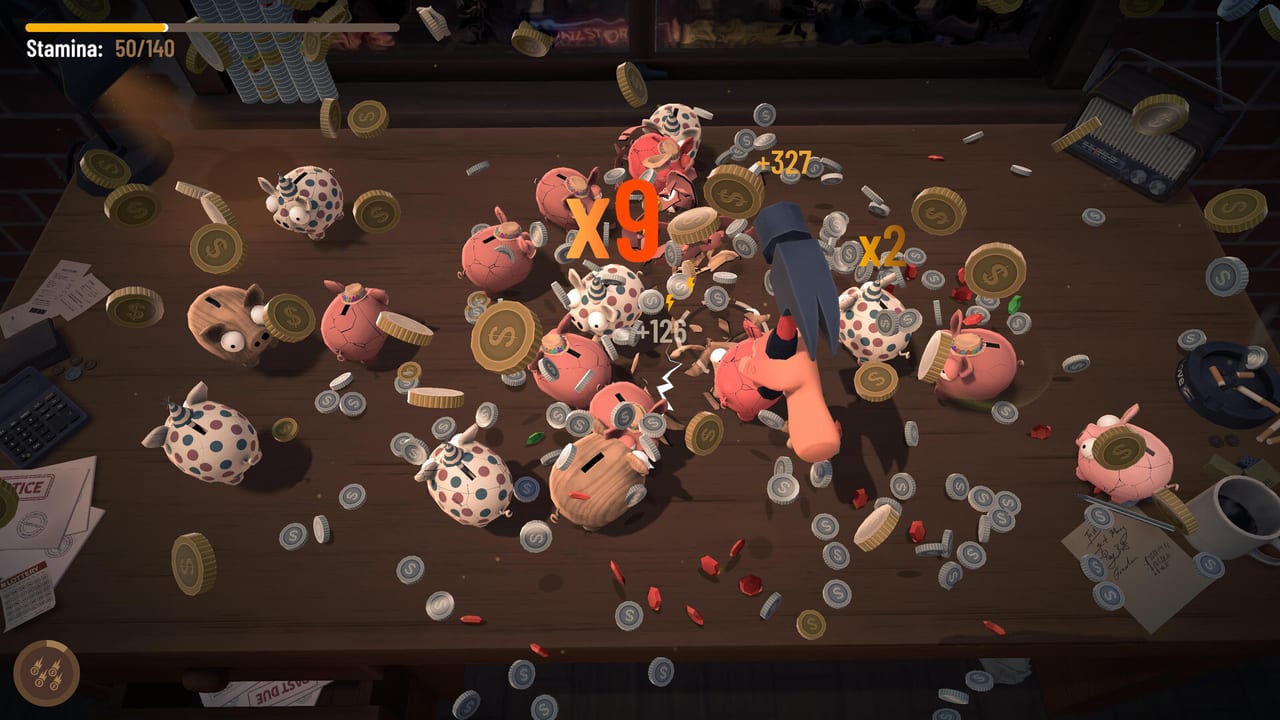
Bills are the real timer
Stamina ends a run physically, but bills decide whether the run stays profitable. A bill is a demand for cash with pressure attached. If you pay it, you move forward and often unlock perk choices that improve the run. If you ignore it, the collector can take a cut of your income or push you toward bankruptcy-style punishment. That creates the central question in Bills Must Be Paid: should you pay now, or use the remaining time to buy something that makes payment easier?
The answer depends on margin. Margin means the difference between your current cash, the amount owed, the bill timer, and your income rate. If you have the money and the timer is short, pay. If you do not have the money but the desk is producing enough targets, keep smashing until you can pay. If you have the money, the timer is comfortable, and a strong upgrade is one click away, buying first can be correct.
The bill grace window
Bills arrive with a visible deadline, but you usually do not need to pay the instant you can afford them. Community guides and early player reports describe a multi-day grace window—often around nine in-game days—where the bill waits while you keep earning. That window is one of the strongest efficiency tools in Bills Must Be Paid because it lets you bank the payment amount and reinvest spare coins into the skill tree before you commit.
Use the grace period deliberately. Once you have enough cash reserved for the bill, treat remaining days as bonus smashing time. Buy grip, stamina, luck, or hammer upgrades that raise your income rate, then pay at the last safe moment before collector pressure starts. Paying too early leaves power on the table. Waiting too long triggers the debt collector and erodes every coin you earn.
The grace window is not permission to ignore bills forever. Overdue bills still activate collector cuts and push you toward bankruptcy in the full game. Read Debt Collector Guide for recovery once penalties begin. Full-game players should also note demo saves do not transfer—see Post-Launch Notes if you are jumping from demo to Steam.
The three payment states
Think about bills in three states. Green state means the bill is visible but not dangerous. You have time to collect money, buy one planned upgrade, and still pay without panic. Yellow state means the payment is approaching and you should stop chasing luxury upgrades. Red state means the bill is due soon or collector pressure is already affecting earnings. In red state, clean payment matters more than theoretical efficiency.
This simple model helps new players avoid two common mistakes. The first mistake is paying every bill instantly and staying too weak to scale. The second mistake is ignoring every bill because the next upgrade looks exciting. Bills Must Be Paid punishes both extremes. You want to convert green time into power, yellow time into preparation, and red time into safety.
When delaying payment is worth it
Delay only when the delay creates more value than it risks. A grip or stamina upgrade can justify waiting if it lets you finish the next phase cleanly. A luck upgrade may justify waiting if you already have enough targets spawning to benefit from it. A hammer improvement can justify waiting if your current hammer is the reason you cannot convert spawns into coins fast enough.
Do not delay for vague hope. If you are waiting because “maybe a jackpot appears,” you are gambling with the bill timer. If you are waiting because a specific upgrade costs a known amount and your current desk can earn that amount quickly, you are making a plan. The Tools checklist is built around this distinction.
How perks affect payments
After paying bills, perk choices can change your next decision. A stamina perk means you can stretch the next earning window. A money perk means you can build a buffer earlier. A spawn or hammer-related perk may shift you toward aggressive play. Read the perk as a contract: it tells you what kind of run the next phase wants to become.
For example, if a perk improves repeated hits, you should path around targets that let you use consistent swings. If a perk rewards saving, you still need to respect the next bill timer. If a perk improves rare drops, it becomes stronger after you have enough spawn volume. The Best Early Upgrades page pairs these perk ideas with upgrade priorities.
Collector pressure and recovery
Once collector pressure starts, recovery gets harder because each coin is less efficient. Do not tilt into random buying. First, stabilize. Pay the next reachable bill, rebuild a small cash buffer, then choose a focused upgrade. If your current run is clearly too damaged, use it as scouting: watch what caused the collapse and adjust the next start.
The demo is short enough that learning from a failed run is valuable. Track whether the failure came from slow income, poor stamina, wrong upgrade timing, or late payment. Each cause has a different fix, and the wiki pages are organized around those fixes.
Frequently Asked Questions
Quick answers for the live Steam game, free demo, and browser play.
Is it bad to delay bills in Bills Must Be Paid?
Not always. Delaying is useful when a specific upgrade will help you pay safely before the timer becomes dangerous.
What should I do if collector pressure starts?
Stop luxury spending, stabilize the next payment, and rebuild around one problem such as stamina, income rate, or hammer efficiency.
Do paid bills unlock perks?
Current demo and official descriptions show bill payment leading into perk choices that help future earning and survival.
Should I pay bills immediately when I can afford them?
Not always. Use the grace window to bank the payment and buy skill tree upgrades first, then pay before collector pressure starts.